

How Science Executives Can Communicate in Chaotic Times
Op-Eds are immensely valuable tools for any science executive who needs to build relationships, deliver for their people, and help others navigate a shifting landscape. Here are just three ways they can do that.
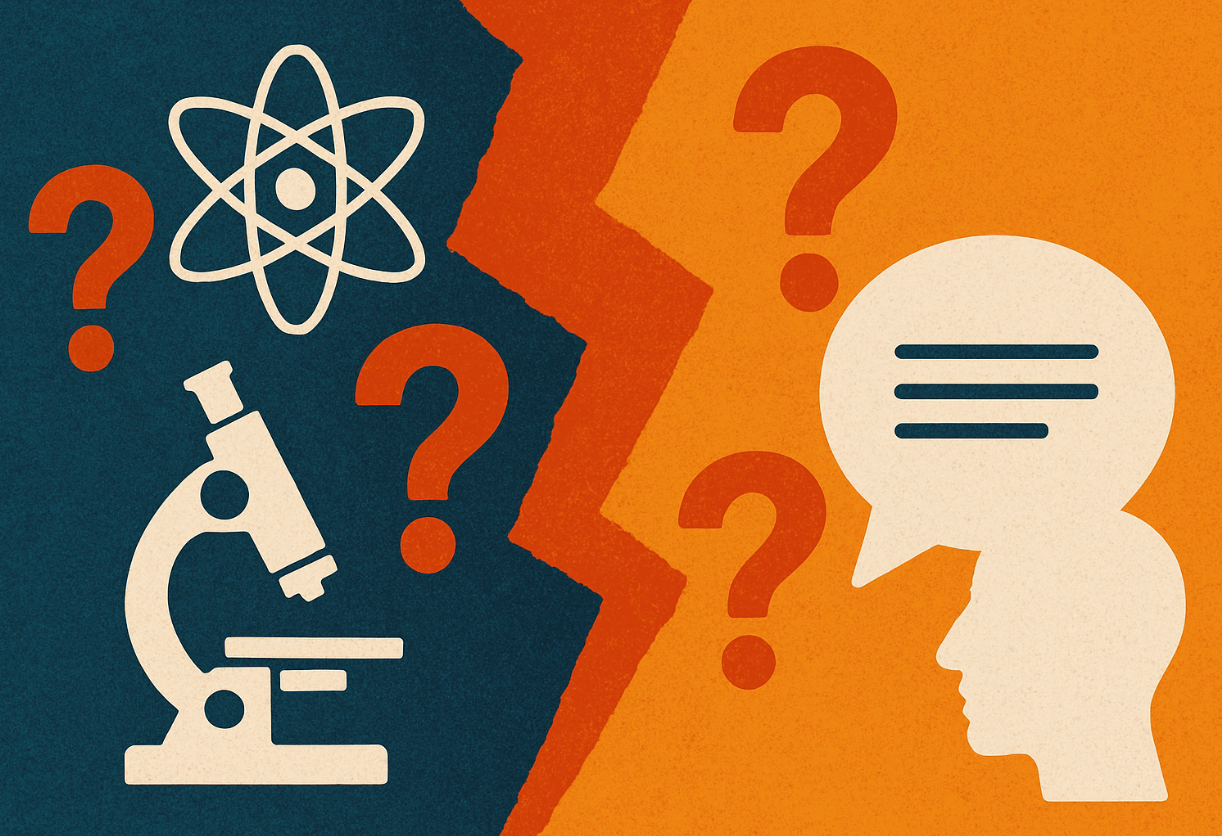
Seeing Science’s Communication Problem
Scientific organizations work at the cutting edge. Their research is elegant and purposeful, creating innovations that are the closest thing to miraculous in our material world.
But there’s a massive gap between how most scientific organizations conduct science and how they communicate.
That’s a major problem.

What a Public Health Expert Learned by Talking with MAHA
Dr. Katelyn Jetelina, a.k.a. Your Local Epidemiologist, posted something on Substack this week that deeply resonated with me. She, along some other public health professionals, met with grassroots from the Make America Healthy Again movement and came away with some valuable observations.

Researchers' communications questions answered - PART 2
I want to continue to break down some of the great question topics that came up in our webinar training, “From Data to Dialogue: How Scientists Can Drive Change through Op-Eds.”

Researchers' communications questions answered - PART 1
If you’ve ever thought about writing Op-Eds as a way to shape public discussion on health or science, chances are you’ve had similar questions to those that come up in our trainings. I’ve shared some of them below, along with my responses.
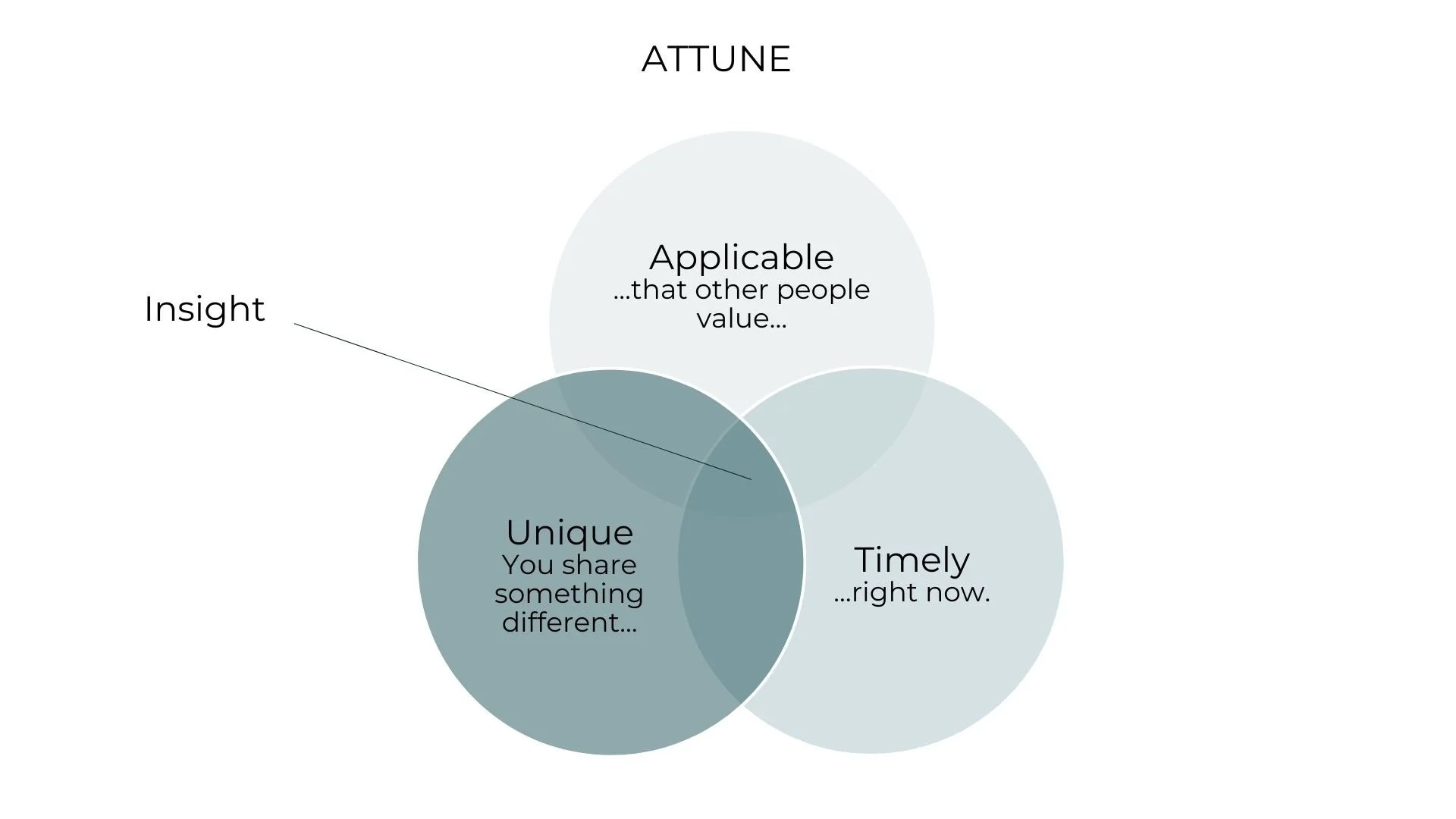
Who's Got The Insights?
Scientific organizations eyeing the future should think more expansively about communications.
Marketing shouldn’t go away as a function. Nor should visibility and publicity go away as organizational objectives.
But, they also shouldn’t dominate the communications agenda at scientific organizations. And here’s why.
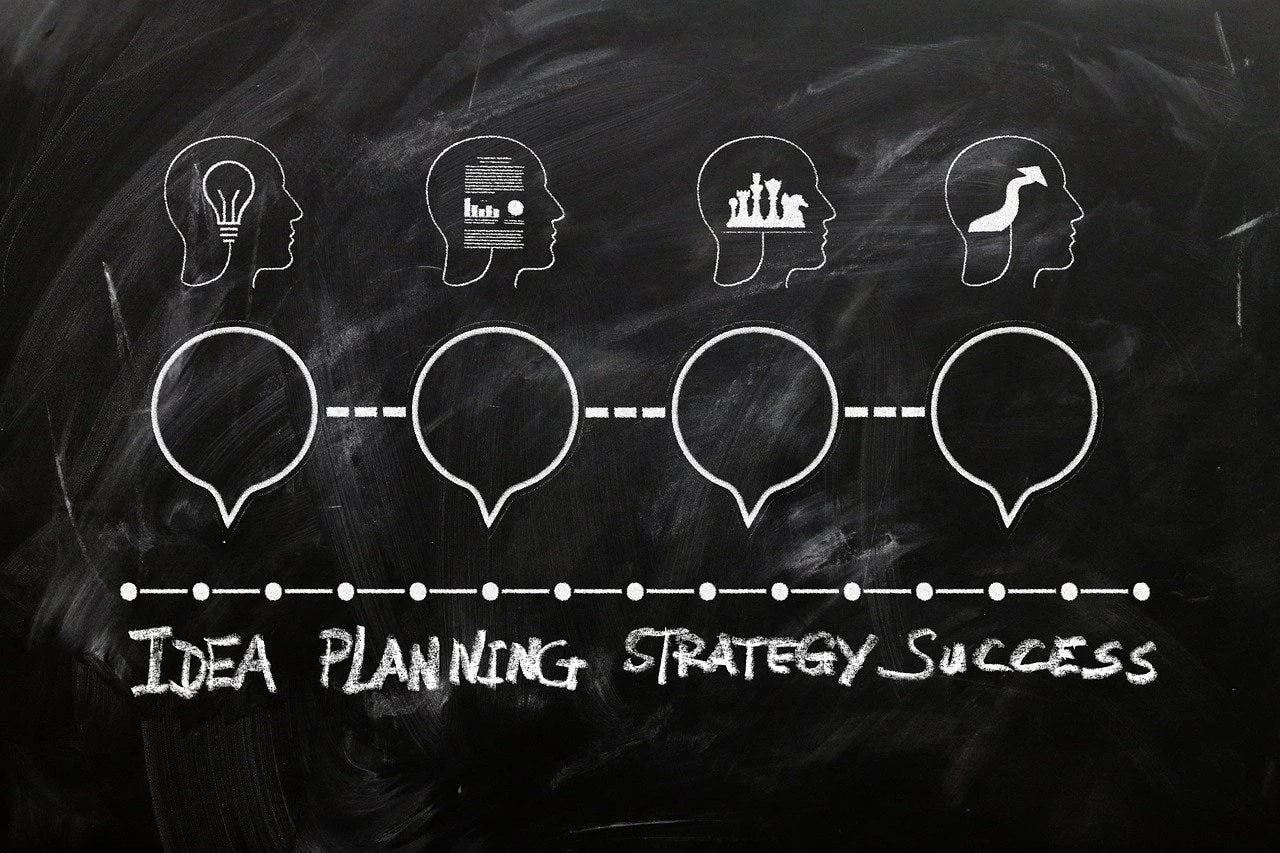
The Value of Our Opinions Depends On How We Structure Our Time
Some opinions we have are worth more than others. But when it comes to our brightest opinions, their potential value actually depends on how we organize our calendars. We seriously limit the potential value and impact that our opinions can have.

WHO Withdrawal, Communications Blackouts: How I’m hopeful for the Future of Health and Science
Introducing Building Deep, a newsletter exploring resilient leadership in health and science. To build a structure high, you need to build the foundation deep.

Want to write an Op-Ed about your research? Avoid these 8 common mistakes
Op-Eds are one of the single most powerful tools for translating research into real-world impact.
Conceptually, they’re quite simple: Pick an argument, make sure it’s interesting and timely, gather the most compelling evidence you’ve got to support it, and write it up in about 750 words.

The Power of Radical Listening
To be sure, global health institutions possess an immense trove of critical knowledge and capabilities. But they don’t typically have intimate knowledge of how environmental, social, and cultural factors impact people’s health at the community level, where all implementation happens.
This is where Radical Listening comes in.

New HHS rules can’t address the primary reason for research misconduct
Publishing output is a dominant factor in researchers’ day-to-day livelihoods, affecting their ability to gain and retain employment, qualify for promotion, and attract the funding to carry out their work. “Publish or perish” culture has become entrenched—so much so that software marketed to help researchers present their best case for tenure or promotion is called, literally, Publish or Perish.